
Grantee Spotlight: Boys & Girls Clubs of the Virginia Peninsula

Grantee Spotlight: Boys & Girls Clubs of the Virginia Peninsula

Grantee Spotlight: Boys & Girls Clubs of the Virginia Peninsula (BGCVP)

By: WHF Staff

Nearly 80 years ago, 250 boys entered the Boys Club of Newport News on 28th Street to engage in new experiences in a family atmosphere, kicking off what is now known as the Boys & Girls Clubs of the Virginia Peninsula (BGCVP). Today, BGCVP serves over 5,000 boys and girls ages 6-18 in the cities of Newport News and Hampton and at 11 sites throughout the counties of James City, Gloucester, and York. BGCVP offers youth a safe, inclusive, and supportive space where they can learn and grow after school and during the summer.

BGCVP goes far beyond mere childcare. When children show up to BGCVP’s after-school program, they are immediately given a nutritious meal to fuel their mind and bodies for the activities that await. After eating, students are offered programming built around BGCVP’s five core areas spanning education, health and wellness, leadership and service, sports and recreation, and the arts. BGCVP is intentional, with each core area designed to engage and inspire children by nurturing their academic, physical, and social-emotional development.

When the school year ends, BGCVP is just getting started providing youth with opportunities and an enriching environment that fosters growth and development. With a weekly fee of $50, which includes two nutritious meals daily, and a $25 annual Club registration fee, BGCVP opens the door to enriching summer activities that are accessible and affordable for all families. Families can find peace of mind knowing their children are in capable hands with ample opportunities for personal growth throughout the summer.

During their summer programming, members partake in everything from interactive learning sessions to outdoor adventures meant to inspire curiosity, foster creativity, and build confidence in young individuals. Whether it’s exploring nature trails, embarking on artistic endeavors, or delving into S.T.E.A.M. (science, technology, engineering, arts, and math) projects, there’s something for every child to discover and enjoy.

WHF’s Continued Support

BGCVP’s commitment to providing nutritious meals and snacks at their after-school and summer programming aligns with the Williamsburg Health Foundation’s funding focus of supporting healthy living through access to adequate nutritious food. Since 2024, the Foundation has supported BGCVP’s EatSMART program for youth at the James City County unit located at James River Elementary School through two grants totaling $17,500. If you would like to learn more about BGCVP’s programs, please visit https://www.bagclub.com/

     WHF is an independent private health foundation with the mission to collaborate, innovate, and invest to impact systems that improve the health and well-being of individuals living in Greater Williamsburg. The Foundation was established in September 1996 when the Williamsburg Community Hospital and Sentara developed an affiliation agreement and later merged. This agreement included a provision for a new, locally organized, and managed Foundation to benefit community health. Since inception, WHF has awarded over $116 million in grants to improve community health and well-being.
    Grantee Spotlight: Literacy for Life HEAL

    Grantee Spotlight: Literacy for Life HEAL

    Grantee Spotlight: Literacy for Life

    By: WHF Staff

    It is Monday morning, and your child wakes up with a sore throat and a temperature of 102°F. You call your child’s pediatrician to schedule a same-day appointment,  but the earliest available opening isn’t until Friday. Your heart tells you your child needs to be seen today. Should you take your child to the emergency room or Urgent Care immediately, or wait to be seen later by your child’s pediatrician? For many, making the right choice in these situations is daunting, especially when understanding medical information or navigating the healthcare system feels overwhelming.

    Thanks to The HEAL Program at Literacy for Life, making medical choices for many adults in Greater Williamsburg has become easier. By improving health literacy, HEAL has helped hundreds of our neighbors gain the knowledge and confidence to assess medical options and take control of their health.

    Why Health Literacy is Important

    Health literacy is defined by the U.S. Department of Health and Human Services as “the degree to which individuals have the ability to find, understand, and use information and services to inform health-related decisions and actions for themselves and others.” Yet, only about one in 10 Americans has proficient health literacy to navigate the healthcare system, while nearly 36% have basic or low health literacy. For these individuals, accessing quality health services and making informed choices are a challenge, leading to poorer health outcomes, higher hospitalization rates, increased emergency room use, difficulty managing chronic diseases, increased medication errors, and higher healthcare costs.

    The HEAL Program

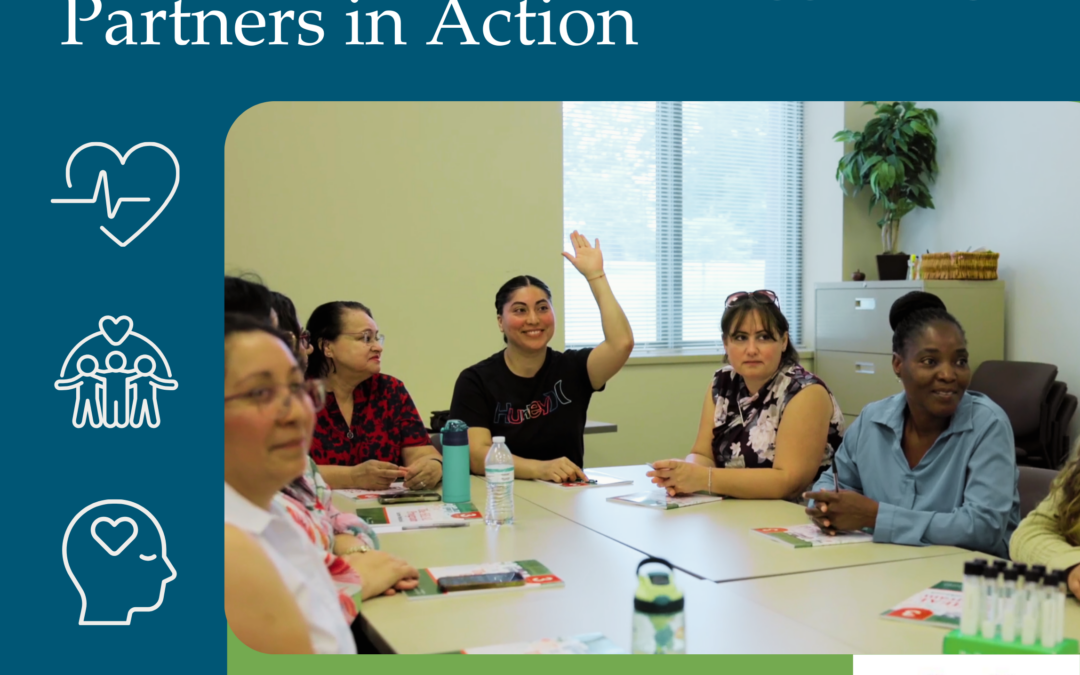
    Recognizing this critical need, in 2012 Literacy for Life established The HEAL Program. The eight-week program empowers adults, both those with limited English proficiency and native English speakers with low health literacy, to build the knowledge and confidence needed to take control of their health. The course covers practical skills, such as reading medication instructions and medical forms, encouraging  disease prevention, making healthy lifestyle choices, and communicating effectively with healthcare providers.

    Williamsburg Health Foundation (WHF) Support

    Literacy for Life’s aim of providing health literacy and education aligns with WHF’s strategic plan of improving access to care and enhancing health in Greater Williamsburg. The Foundation has contributed to Literacy for Life’s mission through 16 grants totaling nearly $556,000 since 2008. To learn more about Literacy for Life and The HEAL Program, please visit their website https://www.literacyforlife.org/heal.

     WHF is an independent private health foundation with the mission to enhance health in Greater Williamsburg. The Foundation was established in September 1996 when the Williamsburg Community Hospital and Sentara developed an affiliation agreement and later merged. This agreement included a provision for a new, locally organized, and managed Foundation to benefit community health. Since inception, WHF has awarded over $119 million in grants to improve community health and well-being.

    Grantee Spotlight: Triangle Stepping Stones

    Grantee Spotlight: Triangle Stepping Stones

    Grantee Spotlight: Triangle Stepping Stones

    By: WHF Staff

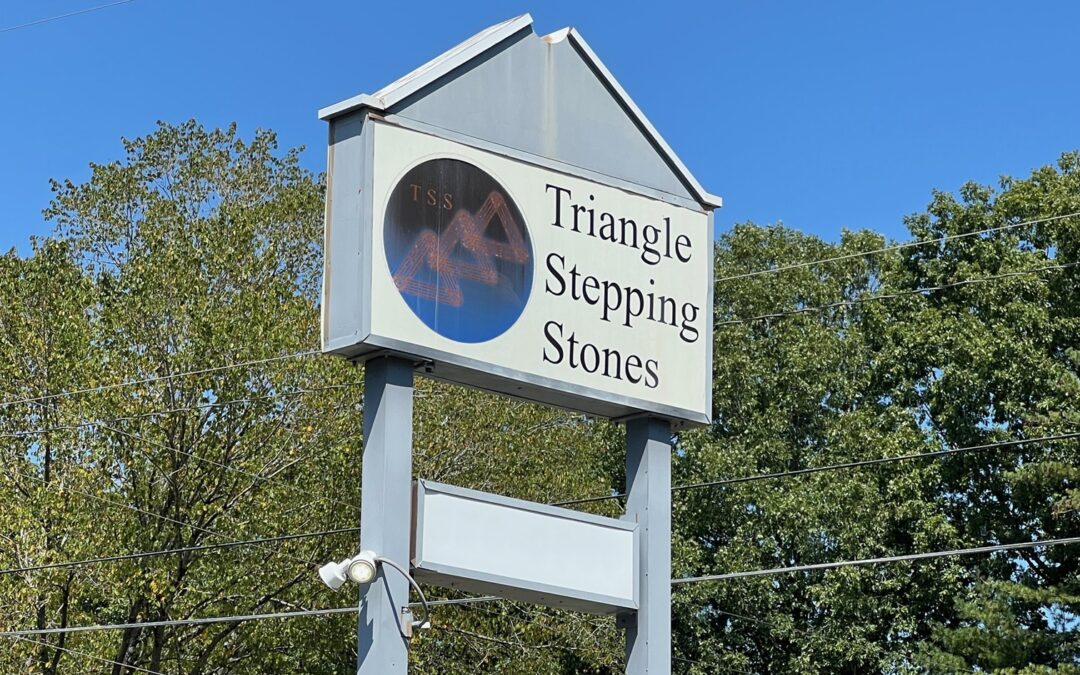
    Tucked off the intersection of Route 199 and Jamestown Road in Williamsburg, Triangle Stepping Stones offers a welcoming space for 12-Step recovery groups to gather. Nearly 25 meetings are hosted in their facility each week to address a range of recovery needs across the community. For individuals seeking support throughout their recovery journeys, this space serves as a refuge and a place to gather, where one can find connection and hope as they share their experiences and heal alongside others facing similar challenges.

    Substance Use Disorders are characterized by impairment (including health, functional, and/or social issues) caused by repeated use of alcohol or other drugs. A 2023 report from the Substance Abuse and Mental Health Services Administration found that 19.1% of Americans aged 12+ met the criteria for needing treatment within the previous year. Local concerns mirror these trends. Residents from Williamsburg, James City County, and York County identified alcohol addiction and illicit drug use as the primary community health concern for adults in the Hampton and Peninsula Health Department’s 2025 Community Health Needs Assessment. These findings highlight the importance of maintaining accessible, community-based recovery supports.

    Ensuring Accessible Recovery Support

    Evidence reveals that Alcoholics Anonymous provides effective recovery support, performing as well as clinical treatment in the short term and often leading to better long-term outcomes. For those benefits to reach everyone who seeks support, people need to be able to enter and move through the space with ease. Triangle Stepping Stones recently purchased the building they had been renting since 2012. After the purchase, their board determined that upgrades were needed to meet Americans with Disabilities Act standards. Many attendees rely on mobility aids such as walkers or wheelchairs, so planned renovations include an entrance ramp, widened doorways, a fully accessible restroom, and paved parking lots for safer access. Improving physical accessibility strengthens the reach of recovery support and reduces barriers for community members who rely on peer-based programs.

    Williamsburg Health Foundation (WHF) Support

    The aim of Triangle Stepping Stones to provide a safe space for 12-Step groups to hold healing and supportive meetings for individuals seeking help with recovery aligns with WHF’s strategic focus. Their work contributes to the Foundation’s efforts to increase access to care and supportive services. The Foundation has contributed to Triangle Stepping Stones’ mission through two grants totaling $86,960 since 2025. To learn more about Triangle Stepping Stones, please visit their website https://trianglesteppingstones.com/.

     WHF is an independent private health foundation with the mission to enhance health in Greater Williamsburg. The Foundation was established in September 1996 when the Williamsburg Community Hospital and Sentara developed an affiliation agreement and later merged. This agreement included a provision for a new, locally organized, and managed Foundation to benefit community health. Since inception, WHF has awarded over $119 million in grants to improve community health and well-being.

    Grantee Spotlight: Williamsburg Faith in Action

    Grantee Spotlight: Williamsburg Faith in Action

    Grantee Spotlight: Williamsburg Faith in Action

    By: WHF Staff

    For many older adults, staying independent and living in their own homes is a high priority, but without the support of nearby family or friends, aging in place can be challenging. In Greater Williamsburg, where one in five older adults lives alone, Williamsburg Faith in Action (WFIA) fills the gap for those without family nearby. WFIA makes aging in place more accessible by pairing volunteers with eligible older adults aged 60 and older to provide support services for transportation, household and yard chores, and social engagement.

    Transportation Services

    Transportation is WFIA’s most frequently used service, accounting for nearly 70% of all client requests. Trained volunteers take recipients to non-emergency medical appointments, legal services, the grocery store, or local errands. Along with a ride, volunteers offer social connections and build relationships with their care receivers. In 2024, WFIA’s 132 dedicated volunteers provided over 2,100 rides to 131 individuals.

    In-Home Support Services

    Through the In-Home Support Services Program, WFIA connects volunteers with care receivers who need a helping hand with daily tasks. These in-home supports range from food deliveries to helping to rake leaves in the fall. In 2024, WFIA’s volunteers provided 2,199 in-home support services to 126 older adults across Greater Williamsburg. These supports enable our older friends and neighbors to safely live independently.

    Williamsburg Health Foundation (WHF) Support

    Williamsburg Faith in Action’s focus on service to older adults aligns with WHF’s strategic plan. Their transportation and in-home support services contribute to the Foundation’s goal of targeting behavioral and social risk factors that influence the health of individuals throughout the life span. The Foundation has supported WFIA’s mission through 50 grants totaling $1.13 million since 2002. To learn more about WFIA’s service to older adults in the Greater Williamsburg community, please visit their website https://wfia.org/.

     WHF is an independent private health foundation with the mission to collaborate, innovate, and invest to impact systems that improve the health and well-being of individuals living in Greater Williamsburg. The Foundation was established in September 1996 when the Williamsburg Community Hospital and Sentara developed an affiliation agreement and later merged. This agreement included a provision for a new, locally organized, and managed Foundation to benefit community health. Since inception, WHF has awarded over $116 million in grants to improve community health and well-being.

    Grantee Spotlight: Williamsburg House of Mercy

    Grantee Spotlight: Williamsburg House of Mercy

    Grantee Spotlight: Williamsburg House of Mercy

    By: WHF Staff

    After 41 years as a Sisters of Mercy school teacher, Sister Mary Berenice Eltz decided to shift her focus to serve people with low incomes and experiencing hardship. As a parish minister for the St. Olaf and St. Bede communities, she touched the lives of many people in Williamsburg, Virginia. Her legacies of dedication and service to individuals and families in need continue today at the Williamsburg House of Mercy.

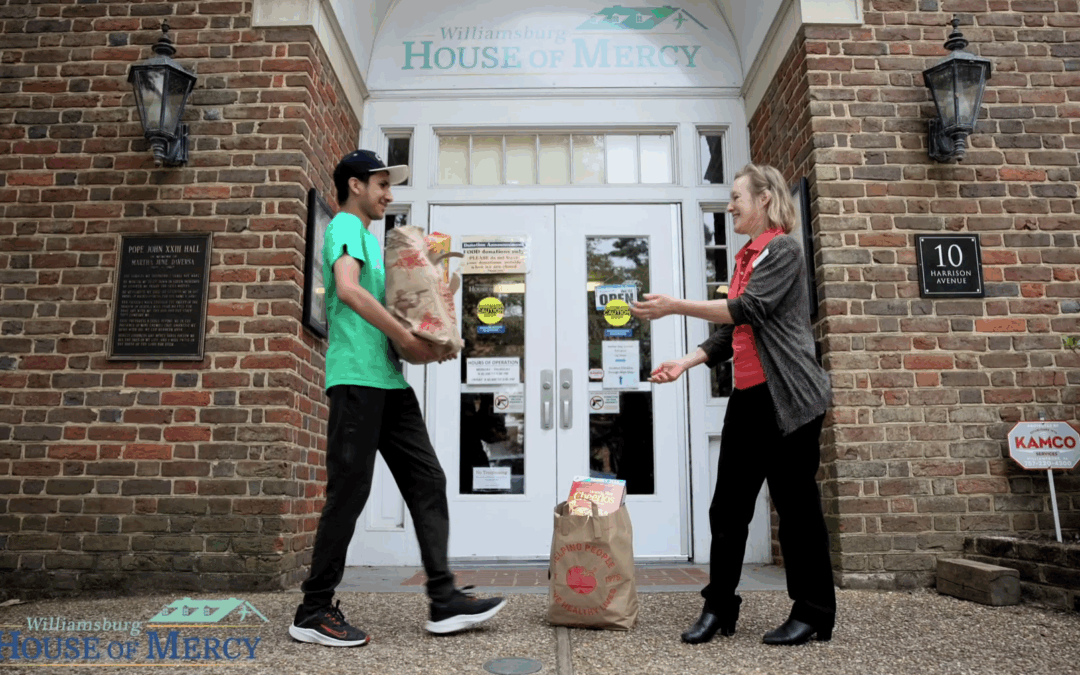
    Williamsburg House of Mercy (WHOM), located in the heart of Williamsburg, believes mercy is a verb. Specifically, mercy is an action that gives comfort and hope to people who are experiencing hardship. Their focus includes addressing food insecurity, providing Outreach Financial Assistance, managing the Harbor Day Shelter, and operating the Hope Pregnancy Center. These services impact the lives of many of the approximately 14% of Greater Williamsburg residents living below the poverty line and the 28% – 35% of households that are Asset Limited, Income Constrained, Employed.

    Addressing Food Insecurity

    Healthy People 2030 aims to improve health by promoting healthy eating and increasing access to nutritious foods. Following the Dietary Guidelines for Americans, which promotes a balanced diet that includes fruits, vegetables, and whole grains, can help individuals maintain good health. On the other hand, food insecurity can have significant impacts on a person’s long-term health and is associated with diet-related chronic diseases, including type 2 diabetes, heart disease, high blood pressure, and obesity. According to WHOM’s latest Impact Report, they helped improve access to nutritious foods and combat food insecurity in Greater Williamsburg by providing meals to more than 2,400 households and serving nearly 10,300 meals at the Community Kitchen.

    Williamsburg Health Foundation (WHF) Support

    Williamsburg House of Mercy’s focus on food insecurity aligns with WHF’s strategic plan. The weekday community kitchen and food distribution programs contribute to the Foundation’s vision of individuals making healthy choices in a community with health opportunities for all. The Foundation has supported WHOM’s mission through 17 grants totaling $256,000 since 2016. To learn more about WHOM’s service to the community, please visit their website https://williamsburghouseofmercy.org/.

     WHF is an independent private health foundation with the mission to collaborate, innovate, and invest to impact systems that improve the health and well-being of individuals living in Greater Williamsburg. The Foundation was established in September 1996 when the Williamsburg Community Hospital and Sentara developed an affiliation agreement and later merged. This agreement included a provision for a new, locally organized, and managed Foundation to benefit community health. Since inception, WHF has awarded over $116 million in grants to improve community health and well-being.
    Grantee Spotlight: Colonial Court Appointed Special Advocate (CASA) Youth Mentoring Program

    Grantee Spotlight: Colonial Court Appointed Special Advocate (CASA) Youth Mentoring Program

    Grantee Spotlight: Colonial Court Appointed Special Advocate (CASA) Youth Mentoring Program

    By: WHF Staff

    When Robin Thrall decided to become a foster parent 15 years ago, she couldn’t have known how many lives, including her own, would be changed. A single mother with one biological daughter, Robin felt the desire to have more children. Learning she was able to adopt as a single parent, Robin began the process of becoming a therapeutic foster parent through James City County’s Department of Social Services. She welcomed children in need of love and stability into her life, heart, and home, eventually adopting four.

    Many foster and adopted children face a challenging journey toward stability and healing. Through Robin’s training and independent study, she learned the value of having positive role models and mentors for her children. She turned to Colonial CASA to help find mentors.

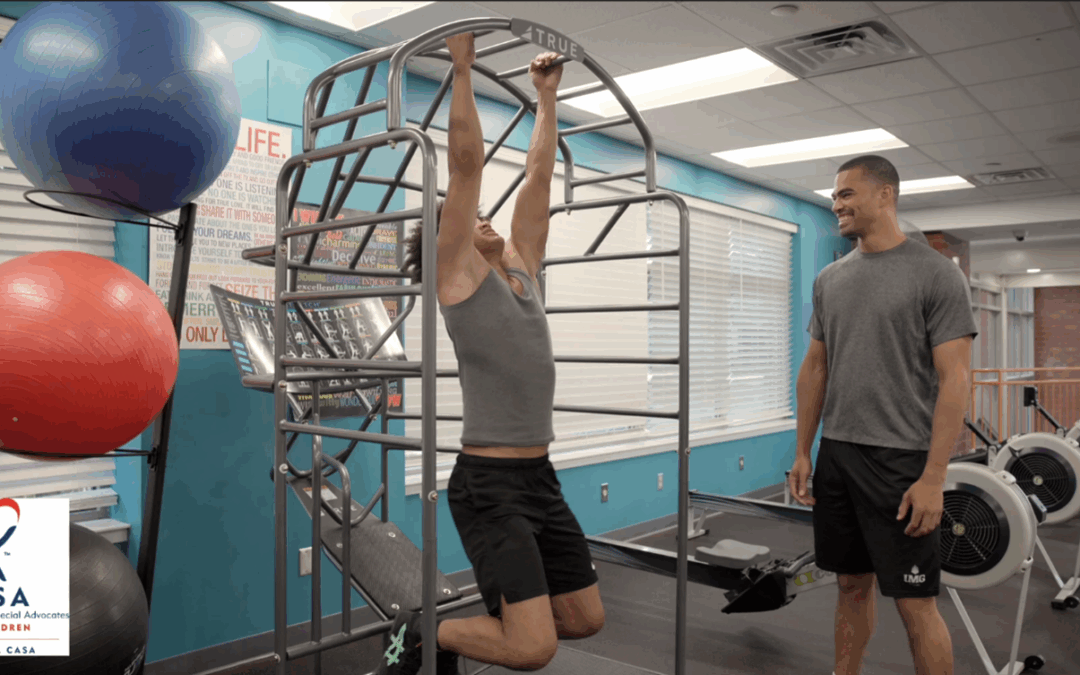
    For Robin’s son Kenny, being paired with a mentor through Colonial CASA’s Youth Mentoring Program in Williamsburg, VA, has been life-changing. His mentor meets with him twice a week to lift weights, practice healthy eating, and even shop together for nutritious foods. More than just fitness lessons, these visits have given Kenny something positive to focus on as he navigates the grief of losing his family. Kenny and his mentor have formed an almost sibling-like bond.

    Robin has many stories of how the volunteer mentors at Colonial CASA have influenced her children’s lives. Each child’s mentor provides them with new experiences, fresh perspectives, and someone who shows up just for them. These one-on-one connections enable each of her children to expand their experiences beyond their home. “I wish everyone, at every age, every situation, could have a mentor,” Robin says.

    Youth Mentoring and HEAL

    In 2022, Colonial CASA launched the Youth Mentoring Program to connect trained, adult mentors with youth aged 10-18. Navigating the adolescent years can be a difficult time for both youth and parents, and the program offers support to address these challenges. Mentoring has been shown to have a positive effect on children’s emotional well-being. Adult mentors provide guidance, resources, and support in various aspects of a youth’s life, including emotional and educational support, and teaching valuable life skills. According to Mentoring.org, these relationships benefit the youth and have a positive impact on the adult mentor.

    To make the Youth Mentoring Program physically beneficial for participants, Colonial CASA introduced the Healthy Eating and Active Living (HEAL) Colonial CASA program. HEAL encourages each mentee/mentor to incorporate physical activity into each weekly meeting. Colonial CASA provides participants with memberships to the JCC Recreation Center to reduce financial or weather barriers to being physically active.

    WHF’s Continued Support

    Colonial CASA’s HEAL program aligns with WHF’s strategic plan. The program contributes to the Foundation’s vision of individuals making healthy choices in a community with health opportunities for all, and the goal of targeting behavioral and social risk factors that influence the health of individuals across the life span. The Foundation has supported Colonial CASA’s work through 23 grants totaling more than $257,000 since 1999.

    The account used in this article was adapted from Inside Look: Parent Shares Mentorship Impacts, a summary of an interview with Robin Thrall, by Linda Palmer. To learn more about Colonial CASA and their programs to support youth in Greater Williamsburg, please visit colonialcasa.org. To learn more about WHF’s grant funding opportunities, please visit williamsburghealthfoundation.org.

       WHF is an independent private health foundation with the mission to collaborate, innovate, and invest to impact systems that improve the health and well-being of individuals living in Greater Williamsburg. The Foundation was established in September 1996 when the Williamsburg Community Hospital and Sentara developed an affiliation agreement and later merged. This agreement included a provision for a new, locally organized, and managed Foundation to benefit community health. Since inception, WHF has awarded over $116 million in grants to improve community health and well-being.