Williamsburg Health Foundation Awards $4.5 Million to Local Organizations
WILLIAMSBURG, VA – June 10, 2026: The Williamsburg Health Foundation (WHF) Board of Trustees recently approved $4.5 million in grant funding to 35 nonprofit organizations and government agencies working to enhance health in the City of Williamsburg, James City County, and York County.
Grant awards span WHF’s three focus areas: Access to Care, Economic Advancement, and Healthy Living, which the WHF Board of Trustees approved as part of the 2026-2030 strategic plan. The Foundation awarded fourteen first-time programs or organizations with three granted in the more recently developed Economic Advancement category.
Economic Advancement grant recipients include Dolly Parton’s Imagination Library of Greater Williamsburg initiative at the DeGood Foundation which provides free, high-quality, age-appropriate books each month to Greater Williamsburg children under age five. Literacy for Life’s Integrated Strategies for Addressing Social Determinants of Health initiative delivers integrated adult education, combining literacy instruction, workforce development, financial literacy, and health education. Menchville House’s Emergency Family Shelter for Greater Williamsburg Families program helps Greater Williamsburg families experiencing homelessness regain stability and transition into permanent housing by providing emergency housing, case management, and supportive services.
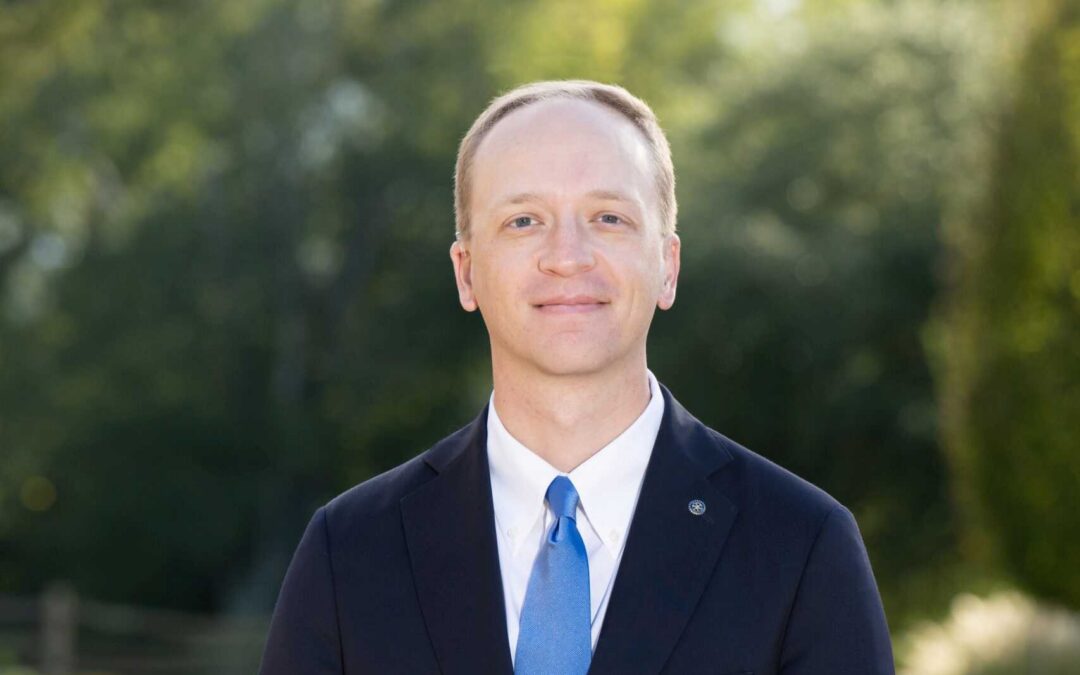
“Lifelong health is driven by social factors in addition to medical factors,” said Bill Pribble, Vice President of Programs. “Social drivers of health affect residents’ ability to access essential community resources which is one reason Economic Advancement was added as a focus area. We look forward to the collective impact these efforts will have on Greater Williamsburg.”
First-time organizations and/or programs in the Access to Care focus area include:
- 3E Restoration: Williamsburg Community Health Advocate (CHA) Specialty Certification Initiative will provide specialty courses for individuals interested in receiving certification as Community Health Advocates.
- ASK Childhood Cancer Foundation: Making Life Better for Greater Williamsburg Children with Cancer program will support Greater Williamsburg children with cancer or serious blood disorders and their families by addressing non-medical burdens impacting care and recovery.
- Children’s Assistive Technology Service: Greater Williamsburg Children’s Mobility and Independence Program will expand access to free mobility equipment for Greater Williamsburg children with disabilities by strengthening transportation, refurbishment, and distribution of equipment.
- Delta Dental of Virginia Foundation: Virginia’s Oral Health Workforce Funding Pool* aims to address the shortage of dental hygienists by expanding dental hygiene education programs statewide, with a focus on Greater Williamsburg (*contingent upon public funding currently under consideration).
- Made 4 Connection: Support for Operations provides trauma-informed training and coaching for parents, caregivers, teachers, and social service professionals serving children impacted by trauma and adversity.
First-time organizations and/or programs in the Healthy Living focus area include:
- Dream Catchers: Young Dreamers – Equine Assisted Learning (EAL) and Mental Health for At-Risk Youth of the Greater Williamsburg Area will promote the development of life skills and improve mental health of at-risk Greater Williamsburg youth through equine-assisted activities.
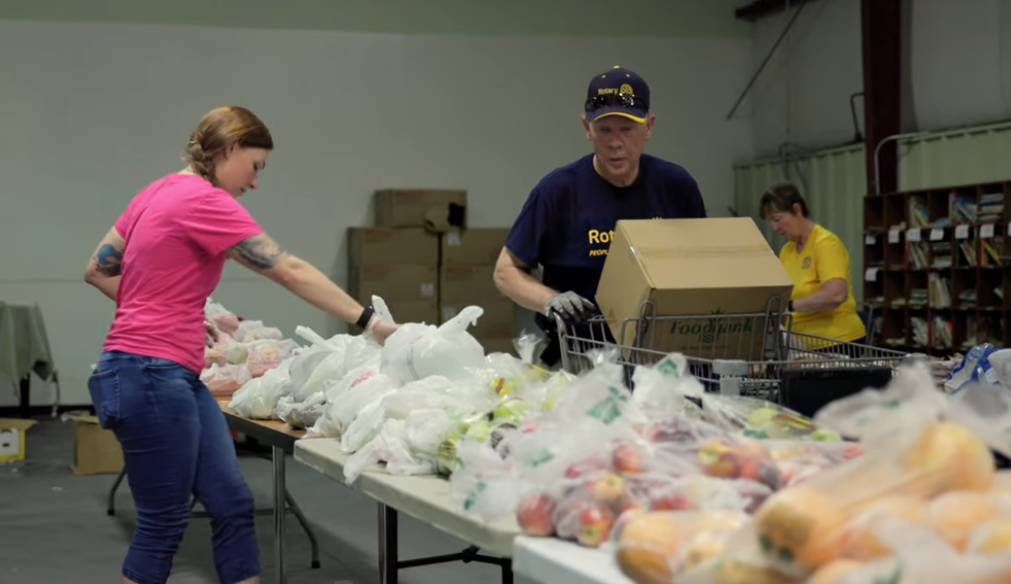
- FISH: Expanding Protein Access to FISH Clients initiative will increase protein availability through additional eggs and meat to FISH clients.
- Grove Christian Outreach Center: General Operating Support will improve health and wellness in the Grove community by strengthening food access and providing supportive services to families with low income.
- One Child Center for Autism: Programs Coordinator will strengthen existing programs, expand offerings, and create new opportunities for Greater Williamsburg children with autism spectrum disorder and other developmental differences.
- Williamsburg House of Mercy: General Operating Support will support comprehensive services which offer a pathway out of crisis and toward self-sufficiency for Greater Williamsburg residents.
- Williamsburg-James City County Community Action Agency: NurtureConnect will support Greater Williamsburg families who are low income with infants through coordinated diaper distribution and wraparound family care services.
These first-time awardees and/or programs join other long-standing WHF supported efforts, such as the local clinics, Child Health Initiative, Child Development Resources, and the School Health Initiative Program (SHIP).
WHF President & CEO Deanna Van Hersh applauds each grant recipient stating, “The Williamsburg Health Foundation’s Board of Trustees is thrilled to respond to applicants with these awards for both new and former organizations, programs, and initiatives designed to enhance health in Greater Williamsburg. The strategic web of networks and referrals represented here and resulting collective impact of this meaningful work is evident in the overall health of our community, and these awards will contribute to efforts to further improve well-being for all who call this area home.”
If you are interested in learning more about the Foundation’s grant opportunities, please visit www.williamsburghealthfoundation.org.
___________________________________________________________________
Organization Name |
Project Title |
Approved Amount |
|
| ACCESS TO CARE | |||
| Primary, behavioral, and/or dental health care | |||
| Center for Child & Family Services | Project Healing Pathways | $70,000 | |
| Delta Dental of Virginia Foundation | Virginia’s Oral Health Workforce Funding Pool | up to $125,000 | |
| Gloucester Mathews Care Clinic | General Operating Support | $300,000 | |
| Lackey Clinic | General Operating Support | $500,000 | |
| Olde Towne Medical and Dental Center | General Operating Support | $900,000 | |
| Virginia Association of Free and Charitable Clinics | Strengthening Health Access Through Policy & Advocacy | $5,000 | |
| Virginia Health Catalyst | Beyond the Cap: Voices for Dental Access in Greater Williamsburg | $5,000 | |
| Medications | |||
| Rx Partnership | General Operating Support | $66,000 | |
| Virginia Health Care Foundation | Greater Williamsburg Medication Assistance Program (GWMAP) | $47,000 | |
| Supportive services | |||
| 3e Restoration | Williamsburg Community Health Advocate (CHA) Specialty Certification Initiative | $78,500 | |
| ASK Childhood Cancer Foundation | Making Life Better for Greater Williamsburg Children with Cancer | $25,000 | |
| Child Development Resources | General Operating Support | $237,000 | |
| Children’s Assistive Technology Service | Greater Williamsburg Children’s Mobility and Independence Program | $25,000 | |
| City of Williamsburg | Child Health Initiative | $283,500 | |
| F.R.E.E. Foundation for Rehabilitation Equipment & Endowment | F.R.E.E. of Williamsburg | $30,000 | |
| James City County | Child Health Initiative | $283,500 | |
| Made 4 Connection | Support for Operations | $40,000 | |
| Peninsula Agency on Aging | PAA Williamsburg | $84,000 | |
| ECONOMIC ADVANCEMENT | |||
| Educational success for lifelong learners | |||
| DeGood Foundation | Dolly Parton’s Imagination Library of Greater Williamsburg | $20,000 | |
| Literacy for Life | Integrated Strategies for Addressing Social Determinants of Health | $80,000 | |
| Housing stability | |||
| Menchville House Ministries | Menchville House Emergency Family Shelter for Greater Williamsburg Families | $28,000 | |
| HEALTHY LIVING | |||
| Adequate nutritious food | |||
| Boys & Girls Clubs of the Virginia Peninsula | EatSMART at Boys & Girls Clubs of the Virginia Peninsula’s James City County Unit | $10,000 | |
| FISH | Expanding Protein Access to FISH Clients | $20,000 | |
| Grove Christian Outreach Center | General Operating Support | $75,000 | |
| THRIVE Peninsula | Providing Healthy Food to Hungry Families in York County | $15,000 | |
| Williamsburg House of Mercy | General Operating Support | $150,000 | |
| Williamsburg-James City County Public Schools | Healthy Educational Appetizing and Tasty (HEAT) Summer Food Service Program (SFSP) 2026 and 2027 | $100,000 | |
| Promotion of healthy lifestyles and social connection | |||
| Alternatives | We Make Healthy Choices! | $7,151 | |
| ArtsConnect Virginia | Arts Outreach for Older and Isolated Adults | $3,750 | |
| Colonial Court Appointed Special Advocates (Colonial CASA) | Healthy Eating Active Living: Youth Recreation & Wellness Program | $7,600 | |
| Dream Catchers | Young Dreamers – Equine Assisted Learning (EAL) and Mental Health for At-Risk Youth of the Greater Williamsburg Area | $37,507 | |
| One Child Center for Autism | Programs Coordinator | $45,000 | |
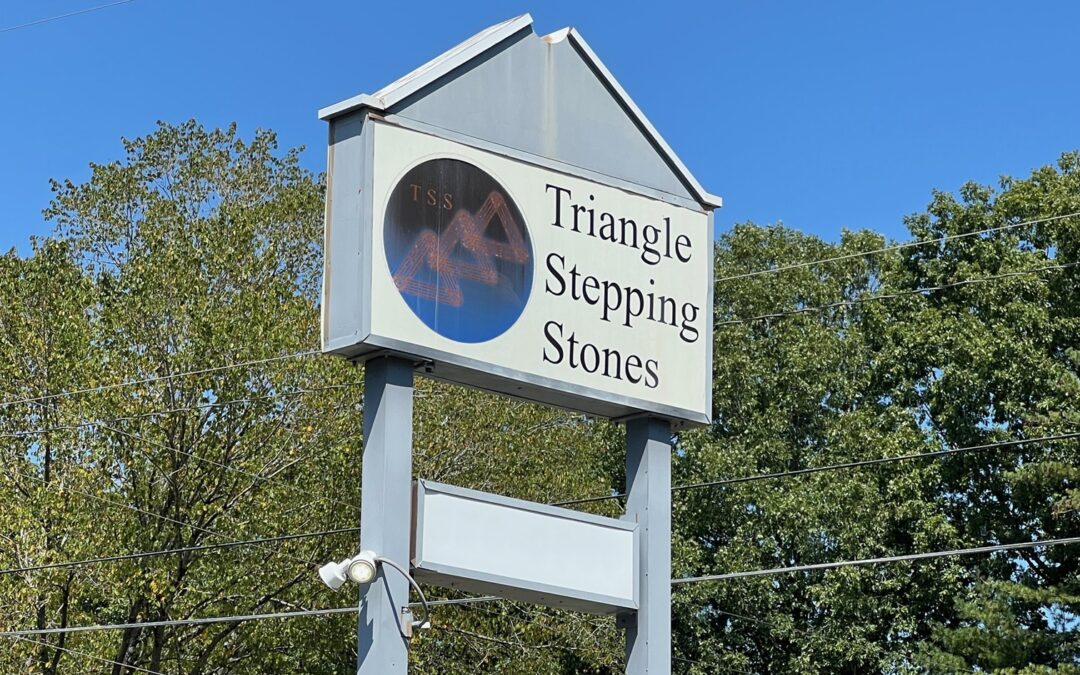
| Triangle Stepping Stones (TSS) | 2026 Pathways to Recovery: Empowering Change Through Community Support | $12,000 | |
| Williamsburg Area Faith in Action | General Operating Support | $65,000 | |
| Williamsburg-James City County Community Action Agency | NurtureConnect – Diapers & Family Care | $45,000 | |
| Williamsburg-James City County Public Schools | School Health Initiative Program (SHIP) | $770,000 | |
The Williamsburg Health Foundation (WHF) is an independent private health foundation with the mission to enhance health in Greater Williamsburg. The Foundation was established in September 1996 when the Williamsburg Community Hospital and Sentara developed an affiliation agreement and later merged. This agreement included a provision for a new, locally organized, and managed Foundation to benefit community health. Since inception, WHF has awarded over $123 million in grants to improve community health and well-being.